First, I want to say congratulations. Congratulations on making it this far. The journey through undergrad, your master’s program, and applications was not easy. Yet we preserved and we are here. Take a minute and soak in that victory. We worked hard to get here and, with that same strength and vigor, we will make it through.
Over the summer, and more recently during this month of August, I have been asking graduate students and professors in my circle what advice they have for the first year of graduate school, or more specifically, what they wish they knew. As an English PhD student, many of the people I asked are in the English discipline, but I also also asked some people outside of it. I also attended events hosted by Blk in Grad School, Cohort Sistas, and Black Women PhDs that featured advice on the first year more generally. That being said, some of the academic tips are geared towards the humanities, but I believe the advice will be valuable regardless. Here is the sum of the advice I received:
Academic
- Don’t do all of the reading, because you can’t
- Sometimes we won’t be able to do all of the reading for all of the classes all of the time. So rather than “don’t do all the reading,” think about it as “don’t do all the reading the same way.” Some readings need a close and careful approach, while others can be skimmed or absorbed quicker. Use Wikipedia, summaries or reviews to acquaint yourself with a text and its general argument. The key is to show up with a genuine question or insight as opposed to reading everything.
- Take classes that you think are interesting and will help with future work.
- Not every class we take will be in our field, but we can still bring our knowledge and expertise to it. Choose courses that will help you write papers that could work towards your dissertation. Get everything to work towards your goal.
- PLAN, PLAN, PLAN
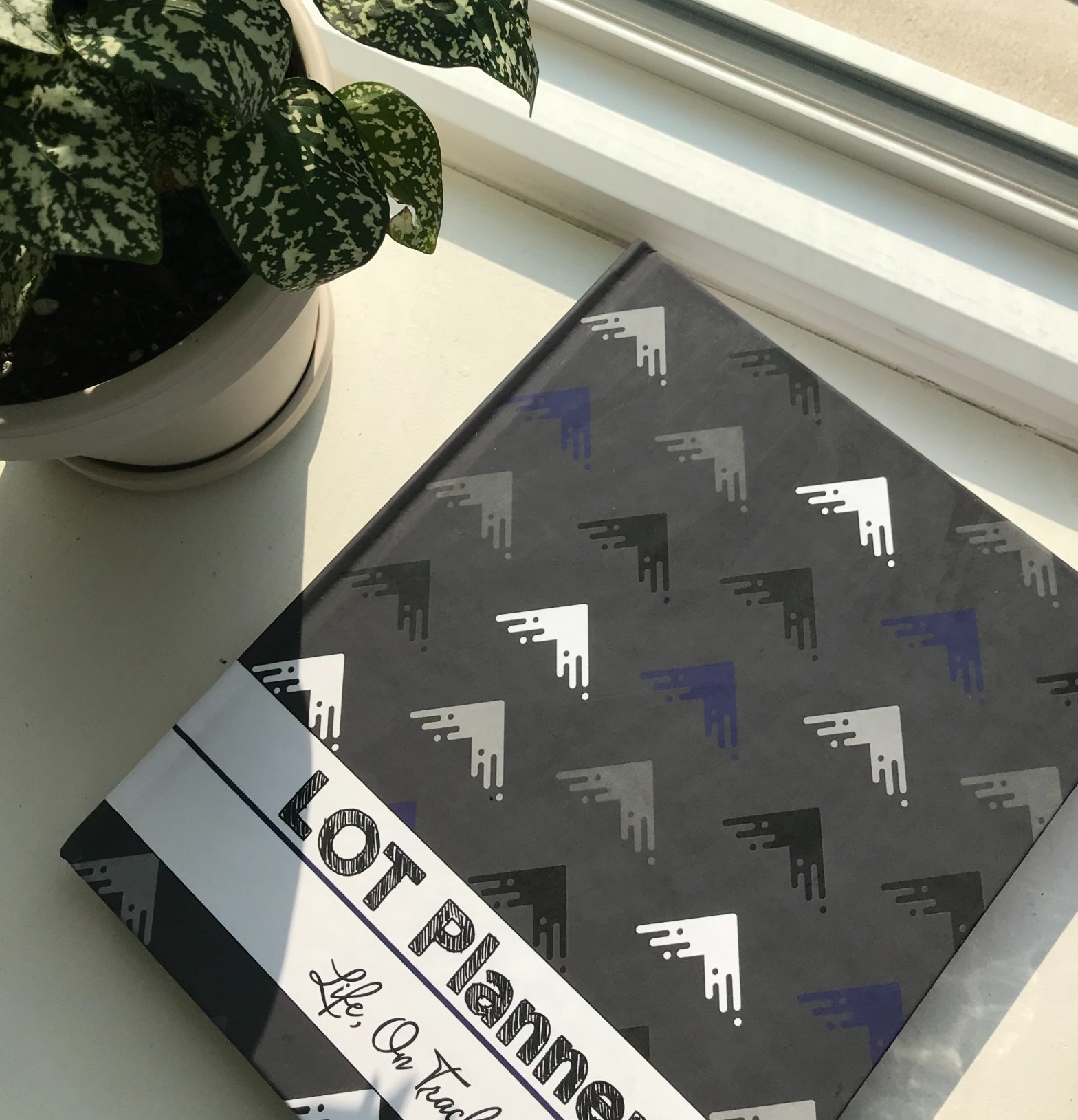
- Begin planning ahead for the 3-4 seminar papers you’ll have at the end (all of them won’t be amazing and no one expects that of us either). Plan when you will do readings. I use the LOT Planner. Trello is also a popular planning tool. Decide what your main priorities are for the semester and plan accordingly.
- Get to know the faculty you want to work with
- It is really important to get to know professors and get a sense of what it is like to work with them. This can happen through taking a class with them, meeting with them for office hours and speaking with other graduate students about their experience with professors of interest.
Community
- Connect with professors and graduate students both inside and outside of the department
- Attend talks, reading groups and events hosted in various departments. This is a great way to meet other scholars outside of your courses. Also, adding your name to the mailing list of departments of interest can be a great way to stay up to date on events. Meeting more people will help you explore new ideas and set your research on different paths.
- Build a network of mentors
- Different people will serve different roles for you when it comes to advising. Keep in mind that your mentors may not look like you, but they can still support your career in different ways. Assume that people want to help you!
- Don’t overcommit
- There are many organizations that are available to graduate students, and it can be easy to get involved in too many early on. It’s important for us to get comfortable with coursework and the environment before we join committees.
- Build a relationship with your cohort
- It’s easy to come into grad school and think about everyone as just colleagues, but if you go into it with the approach of getting to know your cohort it can be really special. You don’t have to be best friends, but these are the people going through the journey at the exact time and at your specific institution There is nothing quite as specific like this kind of community.
Personal
- Learn how to balance the work with with what you need to be well
- The message of learning yourself—habits and rhythms—to care for yourself and carry out your responsibilities was the most frequent, and, in my opinion, important piece of advice that I received. This process takes time, but it’s worth learning when you work best.
- Make time for the things that nourish you
- It’s important to have a whole-person approach to our time management—make time for the things that nourish our body, mind, and soul. If we’re short on time, a great shortcut is combining tasks. For example, you could go on a walk with a friend. This way, you’re getting in your exercise, some sun and engaging in community.
- Imposter syndrome will sneak up, but remember that you ARE capable
- Someone once told me that a group of qualified professors decided to admit you into their program because they knew you were capable. Our presence is not a mistake. We can do this. And in those moments of doubt and unpreparedness, I’ve found it’s helpful to have people in your corner who can remind and encourage you of this truth.
- Write a mission statement
- This is helpful so that you can always return to it during your program, especially in those hard moments. It’s important to know who you are and where you are going.
With all of this being said, we got this. It will take time but we will figure it out. Let us be gracious with ourselves. Exodus 23:20 says, “See I am sending an angel ahead of you to prepare the way for you.” God has gone ahead of us and prepared the way. So let’s keep on going. I love encouraging words and quotes, and the one that I am holding onto for this semester is, “I wouldn’t be here, if I couldn’t be here.”
What is one piece of advice you will apply as you embark on this PhD journey?
Writing Song: Victory Belongs to Jesus by Todd Dulaney
 WhollyRebecca